

Beat the Heat: Cooling Herbs for Summer
Posted by Bonnie Landsee on Jun 9th 2026
By Bonnie Landsee, Certified Master Herbalist | American Herbalists Guild Member
Cooling herbs are plants traditionally used to reduce heat-related discomfort and promote hydration during hot weather. The five most effective cooling herbs for summer are peppermint, lemon balm, hibiscus, cucumber, and aloe vera. Each can be prepared as iced tea, infused water, cold brew, smoothie, or topical application. Below I cover how I use each one, with specific preparation instructions and doses.
As the summer sun blazes high in the sky, finding ways to stay cool and refreshed becomes a priority. Nature offers a variety of herbs that not only soothe and invigorate but also help keep your body cool from the inside out. Here are some of the best cooling herbs to incorporate into your summer routine, along with how to use them in cold brews, iced teas, infused water, and more.
Peppermint
Peppermint is one of the best cooling herbs you can reach for in the summer. Its high menthol content creates that familiar cooling sensation on the tongue and skin, providing relief from the heat almost immediately.
I use peppermint constantly during the summer months. It's one of the most versatile herbs in my garden. Beware when growing peppermint as it can take over your garden. Growing it in a container can help with this. Beyond just tasting refreshing, peppermint has a long history of traditional use for supporting digestion, easing tension headaches, and helping with occasional nausea. In the summer heat, when appetites tend to drop and digestion can feel sluggish, peppermint is a go-to.
Peppermint is also one of the most searched herbs on the internet, and for good reason. It is easy to grow, easy to prepare, and almost everyone enjoys the flavor.
How to use peppermint in summer:
- Iced Tea: Brew peppermint tea, chill it in the fridge, and enjoy it over ice. Add a slice of lemon for an extra zesty kick. You can also pour some into a spray bottle and use it as a refreshing body spritz.
- Cold Brew: Add 2-4 tablespoons of dried peppermint (or a handful of fresh leaves) to a quart of cold water. Refrigerate for 8-12 hours and strain. Cold brewing peppermint brings out a smooth, mellow mint flavor without any bitterness.
- Infused Water: Add fresh peppermint leaves to your water bottle for a subtle, cooling flavor throughout the day.
- Salads: Chop fresh peppermint leaves and sprinkle them over fruit salads for a refreshing twist. Peppermint pairs especially well with watermelon and berries.
- Peppermint Essential Oil: Add a drop of peppermint essential oil to a cool compress and apply to the back of the neck or forehead for quick heat relief. You can also diffuse it to cool down a stuffy room. Our Peppermint Essential Oil is great for this.
Peppermint is also a key ingredient in several of our tea blends. If you enjoy peppermint, you might also like our Sacred Self Tea, which features spearmint alongside oatstraw, nettle, and ashwagandha for a cooling and nourishing blend.
Note of caution: Peppermint is generally well tolerated, but it may aggravate acid reflux in some people. If you have GERD or heartburn, use peppermint cautiously and consider spearmint as a gentler alternative.
Lemon Balm
Lemon balm is one of my favorite summer herbs. It has a mild, lemony flavor with a hint of mint, making it naturally cooling and calming at the same time. It belongs to the mint family, so it shares some of that cooling quality, but with a gentler, more citrusy character.
What I especially like about lemon balm is how calming it is. Summer can be busy and overstimulating, and lemon balm has a long history of traditional use for soothing the nervous system, easing restlessness, and promoting relaxation. It's one of those herbs that cools you down physically and helps you slow down mentally.
Lemon balm is also very easy to grow. If you plant it in your garden, you'll have more than you know what to do with by midsummer. It spreads readily, just like its mint family cousins.
How to use lemon balm in summer:
- Iced Tea: Brew lemon balm tea, chill it, and serve it over ice for a relaxing summer beverage. It's mild enough to drink all day long.
- Cold Brew: Lemon balm is one of the best herbs for cold brewing. Add a generous handful of fresh leaves (or 3-4 tablespoons dried) to a quart of cold water and refrigerate overnight. The result is light, lemony, and very smooth. It makes a great base for adding other herbs like mint or lavender.
- Infused Water: Add lemon balm leaves to water with a few slices of cucumber and lemon for a cooling pitcher you can keep in the fridge all day.
- Desserts: Incorporate chopped lemon balm into fruit salads or use it to garnish desserts. It pairs well with strawberries and peaches.
- Evening Tea: Brew a warm cup of lemon balm tea in the evening to wind down after a hot day. It's gentle enough to drink before bed.
Note of caution: Lemon balm may interact with thyroid medications and sedatives. If you are taking prescription medications, check with your healthcare provider before using lemon balm regularly.
Cucumber
Though technically a fruit, cucumber is often treated as an herb due to its culinary uses. It has a high water content, making it one of the most hydrating foods you can eat in the summer. It also makes for a light meal during the heat of summer, when you don't want to eat anything heavy to weigh you down.
How to use cucumber in summer:
- Cucumber Water: Slice cucumbers and add them to water for a hydrating, cooling drink. Combine with mint and lemon for an herbal spa water.
- Salads: Add sliced cucumbers to salads for a crisp, refreshing crunch. Cucumber pairs well with fresh dill, another cooling herb.
- Face Mask: Blend cucumber with yogurt for a soothing, cooling face mask. Place slices of cucumber on your eyes and relax while it helps alleviate puffiness.
Aloe Vera
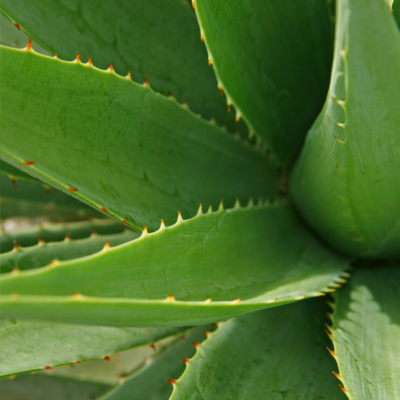
Aloe vera is well-known for its soothing and cooling properties, especially beneficial for sunburn relief and skin hydration.
How to use aloe vera in summer:
- Aloe Drink: Mix aloe vera gel with coconut water for a hydrating and cooling drink. There are many benefits to the digestive system as well, such as helping with constipation, IBS, and GERD.
- Topical Gel: Apply fresh aloe vera gel directly to the skin to soothe sunburns and cool the skin. If you have an aloe vera plant, you simply need to cut off one of the leaves, split the leaf open, and apply the gel directly to the skin.
- Smoothies: Add aloe vera gel to smoothies for a refreshing and nutritious boost. This is a great way to take aloe internally, as it can be bitter tasting on its own.
Hibiscus
Hibiscus is another herb I reach for constantly in the summer. The dried flowers brew into a gorgeous deep red tea with a tart, cranberry-like flavor that is naturally cooling and very refreshing over ice.
Hibiscus has been used as a cooling beverage in hot climates around the world for centuries. In Mexico it's called agua de jamaica, in Egypt it's karkade, and in West Africa it's called bissap. There's a reason so many cultures in warm climates landed on the same herb.
How to use hibiscus in summer:
- Iced Hibiscus Tea: Brew hibiscus flowers in hot water, strain, chill, and serve over ice with a little honey or agave. The color alone is enough to brighten your day.
- Cold Brew: Hibiscus is one of the best herbs for cold brewing. Add 2-3 tablespoons of dried hibiscus flowers to a quart of cold water and refrigerate for 8-12 hours. The cold brew method produces a smoother, less tart flavor than hot brewing. Just be sure to use a glass jar, because hibiscus will stain plastic.
- Blended with Mint: Combine cold brewed hibiscus with fresh mint for a combination that is hard to beat on a hot afternoon.
Note of caution: Hibiscus may lower blood pressure and may interact with blood pressure medications. If you are taking medication for blood pressure, check with your healthcare provider before drinking hibiscus regularly. Also, hibiscus flowers are very rich in color and can stain plastic. I generally recommend making all preparations in glass containers.
Cold Brewing: The Best Way to Enjoy Cooling Herbs in Summer
If you haven't tried cold brewing your herbal teas yet, summer is the time to start. Cold brewing is simply steeping herbs in cold water in the refrigerator for 8-24 hours instead of using hot water. The result is a smoother, less bitter flavor that is perfect for sipping all day long.
Cold brewing works especially well with cooling herbs. Peppermint, lemon balm, and hibiscus all produce beautiful cold brews. You can also cold brew marshmallow root, which actually preserves its beneficial mucilage better than hot water does.
The basic method is simple: add 2-4 tablespoons of dried herbs (or a big handful of fresh) to a quart of cold filtered water in a glass jar. Cover it, put it in the fridge before bed, and strain it in the morning. That's it.
If you'd like to try cold brewing with a ready-made blend, several of our Wellness Tea Blends work well cold brewed. Just use 2-4 tablespoons per quart and steep overnight.
For a full guide to cold brewing, including steep times for different herb types and common mistakes to avoid, read our post on How to Cold Brew Herbal Tea: A Step-by-Step Guide.
Frequently Asked Questions
What are the best cooling herbs for summer?
The five best cooling herbs for summer are peppermint, lemon balm, hibiscus, cucumber, and aloe vera. Peppermint contains menthol which creates an immediate cooling sensation. Lemon balm is calming and mildly cooling. Hibiscus brews into a tart, refreshing iced tea used in hot climates worldwide. Cucumber is one of the most hydrating foods available. Aloe vera soothes sunburns and cools the skin topically.
How do you cold brew herbal tea?
Add 2 to 4 tablespoons of dried herbs (or a large handful of fresh herbs) to a quart of cold filtered water in a glass jar. Cover and refrigerate for 8 to 12 hours, then strain. Cold brewing produces a smoother, less bitter flavor than hot brewing. Peppermint, lemon balm, and hibiscus all make excellent cold brews.
Is peppermint tea good for hot weather?
Yes. Peppermint contains menthol, which activates cold-sensitive receptors and creates a cooling sensation on the tongue and skin. Brewed as iced tea or cold brew, peppermint is one of the most effective herbal options for cooling down in hot weather. It also has a long history of traditional use for supporting digestion, which often becomes sluggish in summer heat.
Can you use hibiscus tea to stay cool in summer?
Yes. Hibiscus has been used as a cooling beverage in hot climates for centuries. In Mexico it is called agua de jamaica, in Egypt karkade, and in West Africa bissap. The dried flowers brew into a tart, cranberry-like iced tea that is naturally cooling and very refreshing. Cold brew hibiscus in a glass jar overnight for the smoothest flavor.
Shop Cooling and Calming Herbal Products
- Peppermint Essential Oil — Cooling, refreshing oil for diffusing, compresses, or adding to DIY body sprays.
- Lemon Essential Oil — A crisp, cooling citrus oil to diffuse or apply when the heat feels overwhelming.
- Heavenly Relaxation Herbal Tea Blend — Cooling, calming botanicals to help you unwind on a hot summer day.
- Sacred Self Tea — A cooling, nourishing blend with spearmint, oatstraw, nettle, and ashwagandha.
- Relax Aromatherapy Roll On — A portable blend of soothing essential oils for instant calm.
You can find detailed profiles of peppermint, lemon balm, hibiscus, aloe vera, and 350+ other herbs in the free Herban Herbalist App.
This article is part of our Herbal Wellness Basics Guide. Explore the full guide for more tools, herbs, and practices.
Read Next
Cool For The Summer: Summer Calming Herbs
How to Cold Brew Herbal Tea: A Step-by-Step Guide
What Are Adaptogens? A Beginner's Guide
About the Author
Bonnie Landsee is a Certified Master Herbalist and member of the American Herbalists Guild with over 30 years of experience. She is the founder of Herban Herbalist, where she creates handcrafted herbal products and offers personalized wellness consultations. Not sure which cooling herbs are right for you? Book a consultation
The herbal information on this page is for educational purposes only and has not been evaluated by the FDA. This content is not intended to diagnose, treat, cure, or prevent any disease. Always consult with a qualified healthcare provider before using any herb, especially if you are pregnant, nursing, taking medication, or have a health condition.