

What Are Adaptogens? A Beginner's Guide to Stress-Fighting Herbs
Posted by Bonnie Landsee on Jun 8th 2026
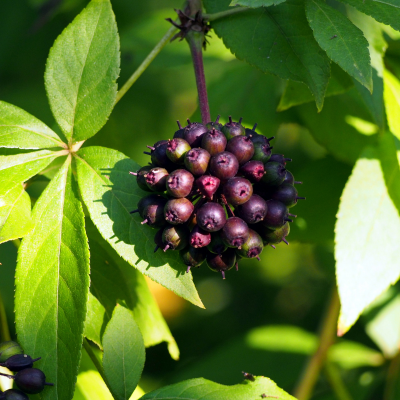
What Are Adaptogens? A Beginner's Guide to Stress-Fighting Herbs
By Bonnie Landsee, Certified Master Herbalist | American Herbalists Guild Member
Adaptogens are a group of herbs that help the body adapt to physical, mental, and emotional stress by supporting the adrenal and nervous systems. Rather than targeting a single symptom, adaptogens work by helping the body respond more effectively to stressors. Well-known adaptogens include ashwagandha, holy basil (tulsi), rhodiola, eleuthero, and schisandra. You can also explore our Adaptogens Guide for a deeper reference.
Have you ever noticed that some periods of life seem to demand more from you than others? Between work, family responsibilities, financial pressures, and everyday stress, it's easy to feel overwhelmed, exhausted, and stretched too thin. Chronic stress is on the rise, and adaptogens can help support your body during these times.
One of the reasons they are called "adapt-ogens" is because they help your body adapt when undergoing stressful situations.
How Do Adaptogens Work?
When we experience stress, the body releases hormones such as cortisol and adrenaline. These hormones are helpful in short bursts, but chronic stress can leave us feeling drained, irritable, overwhelmed, and fatigued.
The term "adaptogen" was first used by scientists studying herbs that appeared to help the body maintain normal function during periods of stress. While traditional herbalists have used these herbs for centuries, modern research has helped explain why they have remained popular for so long.
Adaptogens are believed to support the body's stress response systems, particularly the adrenal and nervous systems. Instead of acting like a stimulant that forces energy, adaptogens help the body become more resilient and adaptable. Think of adaptogens as supportive allies rather than quick fixes. They don't remove stress from your life, but they may help your body handle stress more effectively. Traditional herbalists often use adaptogens to support mental focus, energy levels, emotional resilience, physical stamina, recovery from stress, and overall vitality. Unlike caffeine or energy drinks that provide a temporary boost, adaptogens are generally used consistently over time as part of a wellness routine.
Ashwagandha: One of the Most Popular Adaptogens
When people ask me where to start with adaptogens, ashwagandha is often one of the first herbs I mention.
Ashwagandha (Withania somnifera) has been used for thousands of years in Ayurvedic medicine. The root contains compounds called withanolides, which are believed to contribute to many of the herb's traditional uses.
I often recommend ashwagandha to individuals who feel worn down by the demands of daily life. It has a long history of use for supporting resilience, vitality, and overall wellness. Recently ashwagandha has become very popular and it is easy to find in capsules, powders, tinctures, and tea blends. Many people prefer capsules because they provide a convenient way to take the herb consistently.
Note of caution: Be sure to check with your physician before taking ashwagandha if you are on medication for thyroid disorder, autoimmune disease, liver disease, or have an upcoming surgery.
Explore the full ashwagandha herb profile, plus 350+ other herbs, in the free Herban Herbalist App.
Holy Basil (Tulsi): More Than Just a Culinary Herb
Holy basil, also known as tulsi, is another adaptogen that has earned a special place in traditional herbal systems.
Unlike sweet basil that you may grow in your garden or use in cooking, holy basil is highly regarded in Ayurvedic traditions as a sacred plant. It also has a much different taste than sweet basil.
I enjoy holy basil because it supports both body and spirit. Many people find its aroma uplifting and calming at the same time. Holy basil is commonly consumed as herbal tea, tincture, capsule, or powder.
Note of caution: Make sure to check with your physician if you are taking blood thinners, diabetes medications, sedatives, or thyroid medications as there may be some contraindications. Also, in Ayurvedic tradition, avoid taking with milk since it may cause indigestion.
Eleuthero: The Endurance Adaptogen
Eleuthero, also known as Siberian ginseng, is one of my favorite adaptogens for supporting stamina and resilience during stressful times. Despite its common name, eleuthero is not a true ginseng, although it shares some similar adaptogenic qualities.
Native to parts of Russia, China, Korea, and Japan, eleuthero has a long history of traditional use for supporting physical endurance, mental focus, and overall vitality. Historically, it was used by laborers, athletes, and individuals who needed sustained energy and stamina.
I often think of eleuthero as an herb for those times in life when you have a lot on your plate and need steady support rather than a quick burst of energy. Unlike stimulants that can leave you feeling jittery or lead to an energy crash later, eleuthero works more gradually to help build resilience over time.
Eleuthero is commonly consumed as herbal tea, tincture, capsule, powder, or honey infusion. I particularly enjoy eleuthero in tea blends and infused honeys.
A typical tea can be made using 1 tablespoon of dried root per 8 ounces of water. Since the root is quite tough, I recommend preparing it as a decoction by simmering it gently for 15–20 minutes rather than simply steeping it like a leaf or flower.
Note of caution: If you have high blood pressure, a heart condition, are pregnant, nursing, or are taking medications, consult your healthcare provider before using eleuthero. It may interact with certain medications, including blood pressure medications, blood thinners, diabetes medications, and some heart medications.
Rhodiola: The Altitude Adaptogen
No guide to adaptogens would be complete without mentioning rhodiola (Rhodiola rosea). Native to the cold, mountainous regions of Europe and Asia, rhodiola has been used for centuries in Scandinavian and Russian traditional medicine.
Rhodiola is best known for its traditional use in supporting mental clarity, reducing feelings of fatigue, and helping the body adapt to high-stress situations. It's often considered a "fast-acting" adaptogen compared to some others. Many people report noticing its effects sooner than herbs like ashwagandha.
I often think of rhodiola as a good option for people who are dealing with mental fatigue, brain fog, or the kind of exhaustion that comes from prolonged periods of intense focus or emotional strain.
Rhodiola is commonly consumed as a capsule, tincture, or tea. The root has a slightly bitter, rose-like flavor.
Note of caution: Rhodiola may interact with antidepressants, blood pressure medications, and diabetes medications. Consult your healthcare provider before use if you are taking any prescription medications, are pregnant, or are nursing.
Schisandra: The Five-Flavor Berry
Schisandra (Schisandra chinensis) is a unique adaptogen with deep roots in Traditional Chinese Medicine. Its Chinese name, "wu wei zi," means "five-flavor berry" because the fruit contains all five flavors recognized in TCM: sweet, sour, salty, bitter, and pungent.
Traditionally, schisandra has been used to support the liver, promote mental clarity, and help the body resist the effects of stress. It is often included in formulations designed to support endurance and overall vitality. It's an herb that supports multiple body systems at once, which is why it has been valued in traditional medicine for so long.
Schisandra is commonly consumed as a tea (the dried berries make a pleasant, tart brew), tincture, or capsule.
Note of caution: Schisandra may interact with medications processed by the liver. Consult your healthcare provider before use if you are taking prescription medications, are pregnant, or are nursing.
How Long Do Adaptogens Take to Work?
Adaptogens are not like caffeine or pharmaceutical medications that produce immediate, noticeable effects. They work gradually, supporting your body's systems over time. Most people begin to notice subtle shifts in energy, mood, or stress resilience after 2–4 weeks of consistent daily use. Some herbs, like rhodiola, may show effects sooner, while others, like ashwagandha, often take closer to 4–6 weeks.
The key word is consistency. Taking an adaptogen once or twice won't tell you much. I recommend committing to a single herb or blend for at least 30 days before evaluating.
I also recommend cycling adaptogens: take your adaptogenic blend for 5 weeks, then take a week off before starting again. These herbs work with your body gently . They're not harsh like medications, but every body is different, and cycling helps prevent your system from becoming too accustomed to any single herb.
Are Adaptogens Safe?
Just because an herb is natural does not mean it is appropriate for everyone. Individual health conditions, medications, pregnancy, nursing status, and personal sensitivities all need to be considered. This is one reason I am such a strong believer in personalized herbal wellness. What works beautifully for one person may not be the best choice for another.
A note about starting any new herb: Begin with smaller amounts: such as ½ to 1 teaspoon dried herb for a cup of tea, or 10 drops of a tincture. Monitor its effects and discontinue use if you notice headaches, stomach ache, or nausea, or if you just feel worse. After 3 days, if you don't notice any negative effects, you can start to increase the amount you take.
If you are taking prescription medications or have a medical condition, it's always important to consult your healthcare provider before beginning any new herbal regimen.
How I Use Adaptogens in Practice
I consider energy levels, sleep quality, stress levels, nutrition, lifestyle, current medications, and individual wellness goals. A lot of issues with sleep and headaches are a result of chronic stress. I often recommend adaptogens along with herbs to help the specific issue, while also addressing the underlying cause.
Adaptogen Products I Recommend
If you're interested in exploring adaptogenic herbs, here are products from our apothecary that feature adaptogens:
Almighty Masculine Tea: A wellness tea blend containing eleuthero and other traditional herbs associated with vitality, endurance, and men's wellness.
Explore detailed profiles of ashwagandha, holy basil, eleuthero, rhodiola, schisandra, and 350+ other herbs in the free Herban Herbalist App.
How to Start Using Adaptogens: A Simple Routine
If you're new to adaptogens, start simple:
- Choose one adaptogenic herb tea or supplement.
- Drink one cup daily or take as directed.
- Keep a journal. Note changes in energy, mood, focus, and overall well-being.
- Cycle your herbs. Take for 3 weeks, rest for 1 week.
- Evaluate after 30 days.
Consistency often matters more than complexity.
Quick Reference: Adaptogens at a Glance
| Adaptogen | Traditional Uses | Common Forms | Key Cautions |
|---|---|---|---|
| Ashwagandha | Resilience, vitality, stress support | Capsule, powder, tincture, tea | Thyroid, autoimmune, liver conditions |
| Holy Basil (Tulsi) | Body and spirit support, calming | Tea, tincture, capsule | Blood thinners, diabetes meds, sedatives |
| Eleuthero | Endurance, stamina, sustained energy | Tea, tincture, capsule, honey | Blood pressure, heart conditions |
| Rhodiola | Mental clarity, fatigue, focus | Capsule, tincture, tea | Antidepressants, blood pressure meds |
| Schisandra | Liver support, endurance, vitality | Tea (berries), tincture, capsule | Liver-processed medications |
If you're curious about incorporating adaptogens into your wellness routine but aren't sure where to begin, schedule a consultation with me. Together we can create a personalized herbal plan that fits your needs and supports your wellness journey naturally.
About the Author
Bonnie Landsee is a Certified Master Herbalist and member of the American Herbalists Guild with over 30 years of experience. She is the founder of Herban Herbalist, where she creates handcrafted herbal products and offers personalized wellness consultations. Book a consultation →
The herbal information on this page is for educational purposes only and has not been evaluated by the FDA. This content is not intended to diagnose, treat, cure, or prevent any disease. Always consult with a qualified healthcare provider before using any herb, especially if you are pregnant, nursing, taking medication, or have a health condition.