

Photo: Abalg · CC BY-SA 3.0 · Source
Thyme
Thymus vulgaris
Family: Labiatae | Parts Used: Leaf and flower
Thyme is a bold, aromatic herb with a particular affinity for the lungs and digestive system. Used in Western, Middle Eastern, and European herbalism, it provides fast-acting relief for coughs, colds, and chest congestion. Its essential oil compounds thymol and carvacrol give thyme its antiseptic and expectorant qualities. It also appears in folk practice for money drawing and protection.
Traditional Uses
- Acute and chronic respiratory conditions
- Cough and cold relief
- Chest congestion clearing
- Indigestion relief
- Digestive stimulation
Properties
Key Constituents
- Essential Oils:
- Thymol
- Carvacrol
- Cymol
- Linalool
- Borneol
- Bitter Principle
- Tannins
- Flavonoids
- Triterpenic Acids
Preparations & Dosage
- Infusion: 1-2 teaspoons herb in 1 cup boiling water, or 1 ounce dried herb for 1 pint water. Take 1-2 cups daily.
- Tincture: 15-30 drops, 1-2 times daily.
- Syrup: Half to 1 teaspoon every couple of hours for colds or cough.
TCM Profile: Spicy, warm.
Spiritual & Folk Uses
- Traditionally used for money drawing in folk practice: grow the plant in the garden.
- Traditionally used for protection: add dried, powdered herb to incense.
Bonnie's Notes
I find thyme a very effective tea for chest congestion.
Cautions
- Generally safe as a culinary herb. Thyme essential oil is potent and must be diluted before any topical use. Undiluted essential oil may cause skin irritation.
- Not recommended in medicinal doses during pregnancy, as it may stimulate the uterus.
- May interact with blood thinners. Discontinue use before surgery as it may slow blood clotting.
Habitat & Growing Conditions
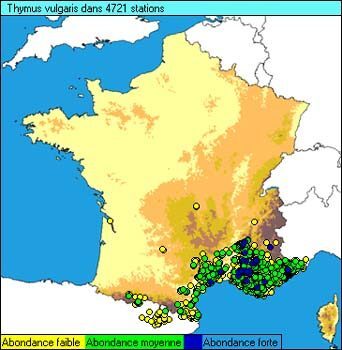
Native to the Mediterranean region, including southern Europe, central Asia, and north Africa. Grows in US zones 5-9. Prefers well-drained, alkaline soil and full sun.
Related Articles
Sources & Research
The Way of Herbs, Michael Tierra, p. 199
Medicinal Herbs: A Beginner's Guide, Rosemary Gladstar, p. 90
Published Research:
Mechanistic Evidence of Andrographis paniculata, Pelargonium sidoides, Echinacea Species, and Thyme for Respiratory Conditions | Pharmaceuticals (Basel, Switzerland) (2023)
Effect of Thymus vulgaris L. essential oil and thymol on the microbiological properties of meat and meat products | Heliyon (2022)
Thyme (Thymus vulgaris L.), thymol | Journal of herbal pharmacotherapy (2004)
These statements have not been evaluated by the Food and Drug Administration. This information is not intended to diagnose, treat, cure, or prevent any disease. If you are under the care of a health care provider or taking prescription medication, check with your provider before using any herbal supplement.