

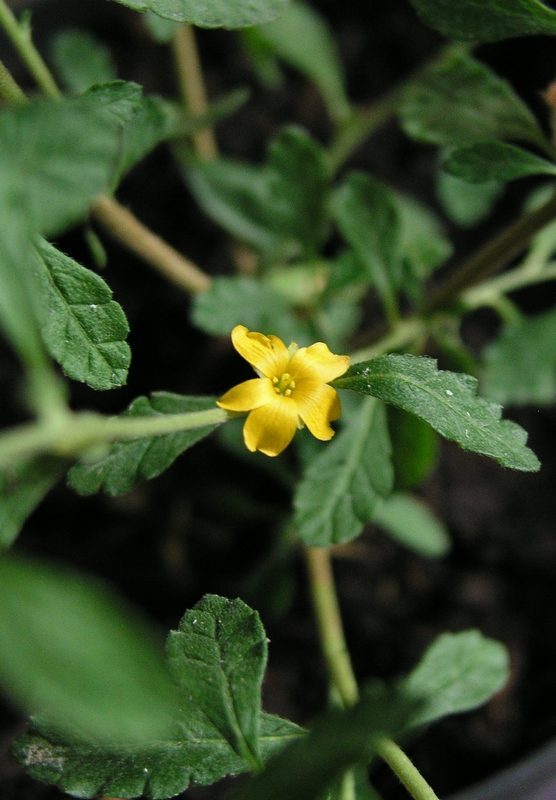
Photo: CC BY-SA 3.0 · Source
Damiana
Turnera diffusa
Family: Passifloraceae | Parts Used: Leaf
Damiana is a stimulating herb traditionally used as an aphrodisiac and mild relaxant in Native American and South American herbalism. It supports the nervous system, calms anxiety, uplifts mood, and addresses libido. Key constituents include volatile oils, flavonoids, bitter substances, tannins, and glycosides. It has a long history of use across Mexico, the Caribbean, and Central America for both physical and emotional vitality.
Traditional Uses
- Traditionally used to strengthen libido in both men and women
- Supports the nervous system as a relaxant
- Uplifts mood and addresses anxiety
- Diuretic support for urinary health
- Mild laxative in larger doses
Key Constituents
- Volatile Oils
- Flavonoids
- Bitter Substances
- Tannins
- Glycosides
Preparations & Dosage
Spiritual & Folk Uses
Damiana is traditionally used in love drawing practices. It appears in spiritual baths, floor washes, incense blends, and mojo bags for attracting love and romance. It is also infused into anointing oils for similar purposes.
Bonnie's Notes
I use damiana in incense and in my attracting tea.
Cautions
- Not recommended during pregnancy due to potential uterine stimulant effects.
- May affect blood sugar levels; use with caution if you have diabetes or are taking diabetes medications.
- May have mild laxative effects in large doses.
- May interact with diabetes medications.
- Limited human clinical data is available.
Habitat & Growing Conditions
A subtropical shrub native to Texas, Mexico, the Caribbean, Central America, and Brazil. Prefers well-drained, sunny locations and grows in dry, rocky soils at low to moderate elevations.
Related Articles
Sources & Research
Published Research:
Ethnobotany, phytochemistry, and bioactivity of the genus Turnera (Passifloraceae) with a focus on damiana, Turnera diffusa | Journal of Ethnopharmacology (2014)
Damiana (Turnera diffusa) Reduces Adipocyte Cell Differentiation and Ameliorates Myocyte Glucose Uptake | Journal of Dietary Supplements (2025)
Medicinal species as MTDLs: Turnera diffusa Willd. Ex Schult inhibits CNS enzymes and delays glutamate excitotoxicity | Food and Chemical Toxicology (2017)
Natural variability of essential oil and antioxidants in the medicinal plant Turnera diffusa | Asian Pacific Journal of Tropical Medicine (2017)
These statements have not been evaluated by the Food and Drug Administration. This information is not intended to diagnose, treat, cure, or prevent any disease. If you are under the care of a health care provider or taking prescription medication, check with your provider before using any herbal supplement.