

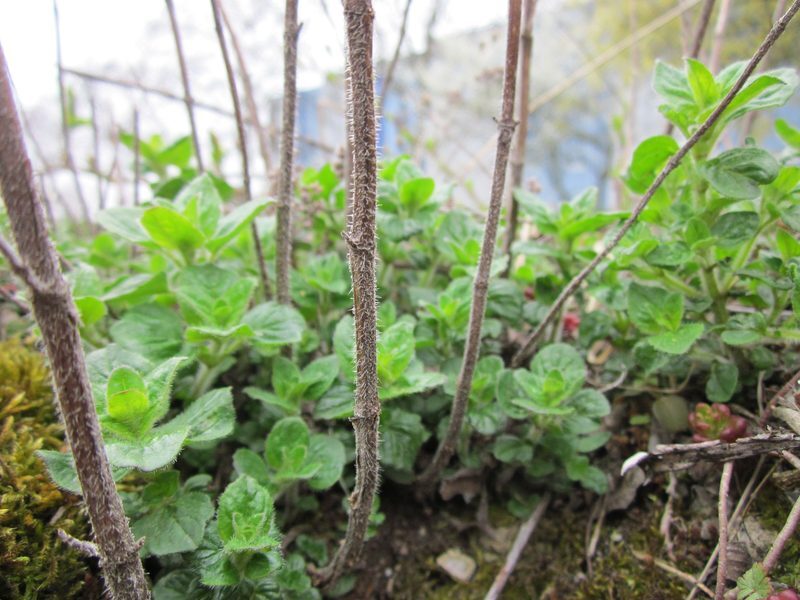
Photo: AnRo0002 · CC0 · Source
Oregano
Origanum vulgare
Family: Labiatae (Lamiaceae) | Parts Used: Leaf and flower
Oregano is a potent antimicrobial herb used in cooking and medicine across Western and Middle Eastern traditions. The essential oil is one of the strongest natural antiseptics available, containing high concentrations of carvacrol and thymol. Traditionally used for acute and chronic respiratory conditions, coughs, colds, and indigestion. The infused oil is applied directly for immune support at the onset of illness.
Traditional Uses
- Acute and chronic respiratory conditions
- Coughs and colds
- Indigestion relief
- Immune response support
- Topical antiseptic application
Properties
Key Constituents
Preparations & Dosage
Spiritual & Folk Uses
In folk practice, dried and powdered oregano is traditionally added to incense blends for protection and to keep away unwanted influences. This use appears across European and Mediterranean folk traditions, particularly as a protective herb burned in the home.
Bonnie's Notes
Oregano infused oil is my go-to when I feel an illness coming on. A drop or two under the tongue at the first sign of symptoms is my standard approach.
Cautions
- Generally safe as a culinary herb. Oregano essential oil and infused oil are potent and must be diluted before topical use. Undiluted oil may cause gastrointestinal upset and skin irritation.
- May interact with blood thinners and diabetes medications.
- Not recommended in medicinal doses during pregnancy, as it may stimulate the uterus.
- May cause allergic reactions in individuals sensitive to plants in the Lamiaceae family.
Habitat & Growing Conditions
Native to Europe, central Asia, and the Middle East. A perennial herb hardy to zone 5. Prefers well-drained soil and full sun. Widely naturalized in the Americas and grown as a culinary and medicinal herb globally.
Related Articles
Sources & Research
Herbs: An Illustrated Encyclopedia, Kathi Keville, p. 139
Published Research:
A Review of the Phytochemistry and Pharmacological Properties of Origanum vulgare L. and Subspecies | Iranian Journal of Pharmaceutical Research (2021)
An Up-To-Date Review Regarding Cutaneous Benefits of Origanum vulgare L. Essential Oil | Antibiotics (2022)
A Recent Insight Regarding the Phytochemistry and Bioactivity of Origanum vulgare L. Essential Oil | International Journal of Molecular Sciences (2020)
Phytogenics in Ginger, Origanum vulgare, and Syzygium aromaticum and Their Potential as a Feed Additive against Clostridium perfringens | Animals (2023)
These statements have not been evaluated by the Food and Drug Administration. This information is not intended to diagnose, treat, cure, or prevent any disease. If you are under the care of a health care provider or taking prescription medication, check with your provider before using any herbal supplement.