

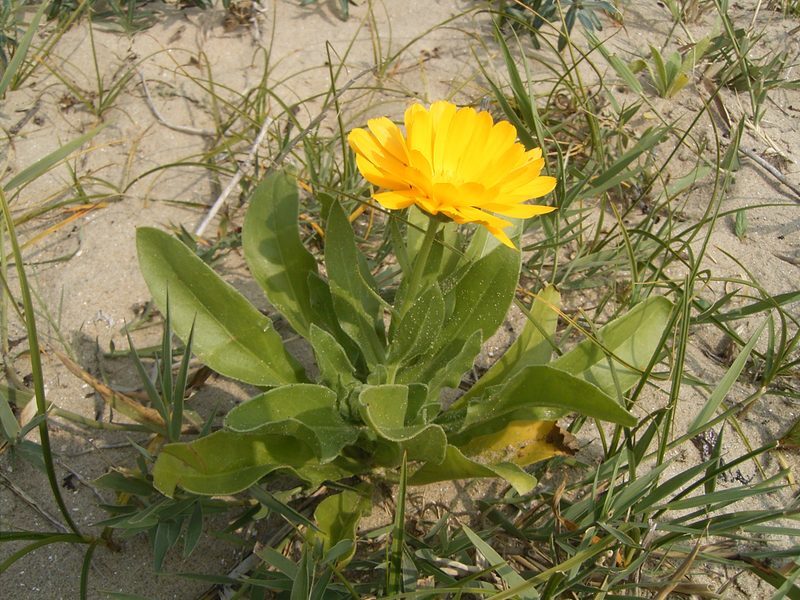
Photo: I took this photo in the dunes near Katwijk · Public domain · Source
Calendula
Calendula officinalis
Family: Asteraceae | Parts Used: Flower heads
Calendula, also known as Marigold, is a vibrant flowering herb traditionally used for its skin-soothing, wound-healing, and lymph-cleansing properties. It supports tissue repair, reduces inflammation, and promotes menstrual balance. In folk tradition, calendula is used for prosperity and protection work. Key constituents include carotenoids, flavonoids, mucilage, saponins, bitters, volatile oil, and resins.
Traditional Uses
- Traditionally used to support burns, wounds, and ulcers
- Soothes skin irritations (cradle cap, diaper rash, thrush)
- Lymph cleansing
- May help ease indigestion and diarrhea
- Eases menstrual cramps
- Wound-healing (vulnerary) properties
- Blood purifying (alterative) properties
- Astringent properties
Properties
Key Constituents
Preparations & Dosage
- Infusion: 1-2 teaspoons herb in 1 cup boiling water, or 1 ounce dried herb per pint of water. Take 1 cup three times daily.
- Tincture: 15-30 drops up to three times daily.
- Topical: Infuse in oil, apply directly, or make into a salve for skin conditions.
TCM Profile: Spicy, bitter, neutral.
Spiritual & Folk Uses
Calendula is traditionally used in mojo bags for gambling luck and monetary prosperity.
Cautions
- May cause allergic reactions in individuals sensitive to plants in the Asteraceae/Compositae family.
- Avoid during pregnancy as it may stimulate menstruation.
- Not recommended while breastfeeding due to insufficient safety data.
- May enhance the effects of sedative medications.
Habitat & Growing Conditions
Native to Mediterranean regions, now grown worldwide in temperate zones. Annual in cooler climates, perennial in zones 9-11. Prefers rich soil in full sun to partial shade.
Related Articles
Sources & Research
The Way of Herbs, Michael Tierra
Medicinal Herbs: A Beginner's Guide, Rosemary Gladstar
Published Research:
An updated review on the multifaceted potential of Calendula officinalis | Pharmaceuticals (2023)
A systematic review of Calendula officinalis extract for wound healing | Wound Repair and Regeneration (2019)
Calendula officinalis: potential roles in cancer treatment and palliative care | Integrative Cancer Therapies (2018)
Final report on the safety assessment of Calendula officinalis | International Journal of Toxicology (2001)
These statements have not been evaluated by the Food and Drug Administration. This information is not intended to diagnose, treat, cure, or prevent any disease. If you are under the care of a health care provider or taking prescription medication, check with your provider before using any herbal supplement.