

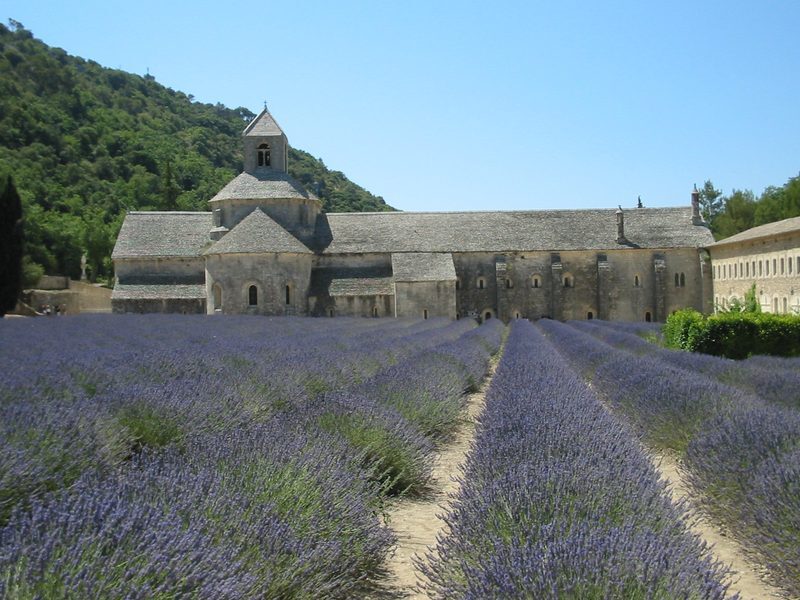
Photo: Brice · CC BY-SA 3.0 · Source
Lavender
Lavandula angustifolia
Family: Labiatae | Parts Used: Flowers
Lavender is one of the most widely used aromatic herbs in Western, European, and Middle Eastern traditions. Its primary active constituent, linalool, is responsible for much of its calming and antispasmodic action. Traditionally used for anxiety, insomnia, headaches, and depression, lavender is also applied topically via essential oil for skin conditions and used in steam inhalation for headache relief. In TCM, it is classified as spicy, fragrant, mildly bitter, and cool.
Traditional Uses
- Relaxation and calming for anxiety and nervous tension
- Headache and tension headache relief, including steam inhalation
- Insomnia and sleep support
- Depression and low mood support
- Calming stomach muscle spasms associated with IBS
- Topical application via diluted essential oil for skin conditions
- Uplifting mood and supporting emotional balance
Properties
Key Constituents
Preparations & Dosage
- Tincture: 10-30 drops three times daily.
- Infusion: 1-2 tsp flowers steeped in 1 cup boiling water. Take up to 3 cups daily.
- Essential oil: Use as steam inhalation for headaches. Dilute in a carrier oil before applying topically for skin conditions. Do not apply undiluted essential oil directly to skin.
TCM Profile: Spicy, fragrant, mildly bitter, cool.
Spiritual & Folk Uses
Lavender is traditionally associated with peace, protection, and purification in European folk practice. Midwives historically bathed newborn babies in lavender water to welcome them into the world. It is used in protection work, placed in sachets to ward off harm, and incorporated into love and peace spells across multiple traditions.
Cautions
- Pregnant women should avoid internal use in large amounts.
Habitat & Growing Conditions
Native to the Mediterranean region, extending south to tropical Africa and east to India. Now widely cultivated in America in zones 5-9. Prefers full sun and well-drained, slightly sandy soil. Drought-tolerant once established. A woody perennial that can live for decades in the right conditions.
Related Articles
Sources & Research
Medicinal Herbs: A Beginner's Guide, Rosemary Gladstar, p149
The Way of Herbs, Michael Tierra, p150
Published Research:
Efficacy and Tolerability of Lavandula angustifolia in Treating Patients with the Diagnosis of Depression: A Systematic Review | Journal of Complementary & Integrative Medicine (2023)
The Antidepressant Effects of Lavender (Lavandula angustifolia Mill.): A Systematic Review and Meta-Analysis of Randomized Controlled Trials | Complementary Therapies in Medicine (2021)
Lavender (Lavandula angustifolia Miller) | Journal of Herbal Pharmacotherapy (2004)
Lavandula angustifolia Miller: English Lavender | Holistic Nursing Practice (2009)
These statements have not been evaluated by the Food and Drug Administration. This information is not intended to diagnose, treat, cure, or prevent any disease. If you are under the care of a health care provider or taking prescription medication, check with your provider before using any herbal supplement.