

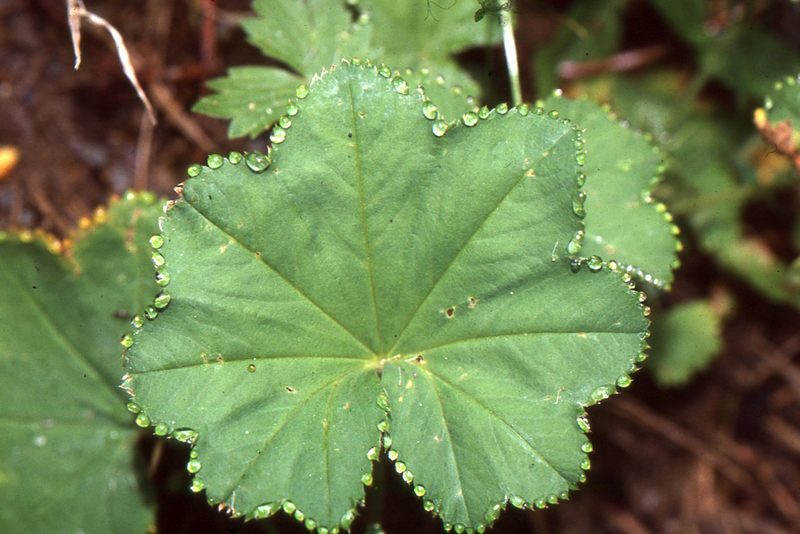
Photo: Liliane Roubaudi · CC BY-SA 2.0 fr · Source
Lady's Mantle
Alchemilla vulgaris
Family: Rosaceae | Parts Used: Leaves and flowers
Lady's Mantle is a gentle, supportive herb traditionally used to balance and tone the female reproductive system. Its high tannin content gives it strong astringent properties, which are useful for managing excessive menstrual bleeding and toning tissue after childbirth. It is also traditionally used for menstrual cramps, menopausal symptoms, and wound healing. In TCM terms, it is considered bitter, astringent, and cool in character.
Traditional Uses
- Relieving menstrual cramps and managing excessive menstrual bleeding
- Supporting menopausal transitions and associated symptoms
- Wound healing through astringent, tissue-toning action
- Anti-inflammatory support via tannins and salicylic acid
- Emmenagogue action to regulate menstrual flow
Properties
Key Constituents
Preparations & Dosage
- Infusion: 2 tsp dried herb steeped in 1 cup boiling water, or 1 oz dried herb per 1 pint of water. Take 1 cup up to 3 times daily.
- Tincture: 15-30 drops up to 3 times daily.
TCM Profile: Bitter, astringent, cool.
Cautions
- Generally considered safe for short-term use.
- High tannin content may cause digestive upset in large doses.
- Not recommended during pregnancy without guidance from a qualified health care provider.
- May interact with blood-thinning medications due to astringent properties.
- Limited modern clinical research is available; traditional use guides most applications.
Habitat & Growing Conditions
Native to Europe, now cultivated widely across temperate climates worldwide. Hardy in US zones 3-8. Prefers moist, fertile soil and partial shade. A low-growing perennial with distinctive pleated, fan-shaped leaves that collect dew drops in their centers.
Related Articles
Sources & Research
The Way of Herbs, Michael Tierra, p149
The New Holistic Herbal, David Hoffmann, p210
Published Research:
Beyond Traditional Use of Alchemilla vulgaris: Genoprotective and Antioxidant Activity In Vitro | Molecules (Basel, Switzerland) (2022)
Antimelanoma Effects of Alchemilla vulgaris: A Comprehensive In Vitro and In Vivo Study | Diseases (Basel, Switzerland) (2024)
Alchemilla vulgaris Modulates Isoproterenol-Induced Cardiotoxicity: Interplay of Oxidative Stress, Inflammation, and Autophagy | Frontiers in Pharmacology (2024)
Effect of Herbal Mixture Composed of Alchemilla vulgaris and Mimosa on Wound Healing Process | Biomedicine & Pharmacotherapy (2018)
These statements have not been evaluated by the Food and Drug Administration. This information is not intended to diagnose, treat, cure, or prevent any disease. If you are under the care of a health care provider or taking prescription medication, check with your provider before using any herbal supplement.