

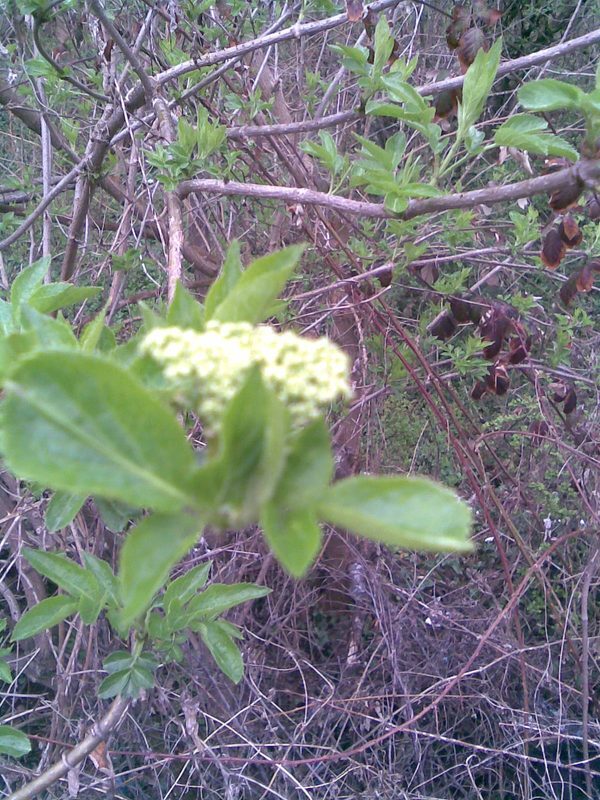
Photo: Jolán Dénes · CC BY-SA 2.5 · Source
Elder
Sambucus nigra
Family: Caprifoliaceae | Parts Used: Flowers, berries
Elder is a cornerstone of immune support in traditional herbal medicine, recognized across Western and Native American traditions. The dark berries are loaded with antioxidants and flavonoids with documented antiviral activity, while the flowers serve as a gentle diaphoretic, traditionally used to support sweating and reduce fevers. Both parts have been relied upon for colds, flu, upper respiratory infections, herpes, and shingles.
Traditional Uses
- Colds, flu, and fevers
- Upper respiratory infections
- Herpes and shingles
- Diaphoretic: supports sweating and fever reduction (flowers)
- Alterative: blood-purifying properties
- Anti-rheumatic (berries)
- Mild laxative (aged bark)
Properties
- Diaphoretic
- Alterative
- Laxative (aged bark only)
- Stimulant
- Anti-rheumatic (berries)
TCM Profile: Acrid, bitter, cool.
Key Constituents
- Vitamins A and C
- Bioflavonoids and flavonoids
- Phenolic compounds
- Beta-carotene
- Iron
- Potassium
- Phytosterols
Preparations & Dosage
- Infusion: 1/2-1 cup daily for ongoing immune support. Increase frequency at symptom onset.
- Syrup: 1-2 tablespoons several times throughout the day during illness. Elderberry syrup is one of the most common preparations.
Folk Uses
In old world European traditions, an elder bush was commonly planted at the edge of the herb garden as a protector of the garden. The plant was traditionally associated with guarding the home and garden, both physically and in folk belief. This practice spanned multiple European cultures for centuries.
Cautions
- Do not eat berries raw. Raw elderberries can cause digestive upset and diarrhea. Always cook or properly process them before consuming.
Habitat & Growing Conditions
Native to North America and Europe. Grows in US zones 4-7. Prefers moist edge habitats near lakes, ponds, and woodland borders. Thrives in full or light shade. A vigorous grower that spreads readily once established.
Related Articles
Sources & Research
Medicinal Herbs: A Beginner's Guide, Rosemary Gladstar, p. 134
The Way of Herbs, Michael Tierra, p. 133
Published Research:
Black elderberry (Sambucus nigra) supplementation effectively treats upper respiratory symptoms: A meta-analysis of randomized, controlled clinical trials | Complementary Therapies in Medicine (2019)
Elderberry (Sambucus nigra L.): Bioactive Compounds, Health Functions, and Applications | Journal of Agricultural and Food Chemistry (2022)
An evidence-based systematic review of elderberry and elderflower (Sambucus nigra) by the Natural Standard Research Collaboration | Journal of Dietary Supplements (2014)
The Pros and Cons of Using Elderberry (Sambucus nigra) for Prevention and Support during COVID-19 | Advanced Biomedical Research (2022)
These statements have not been evaluated by the Food and Drug Administration. This information is not intended to diagnose, treat, cure, or prevent any disease. If you are under the care of a health care provider or taking prescription medication, check with your provider before using any herbal supplement.