

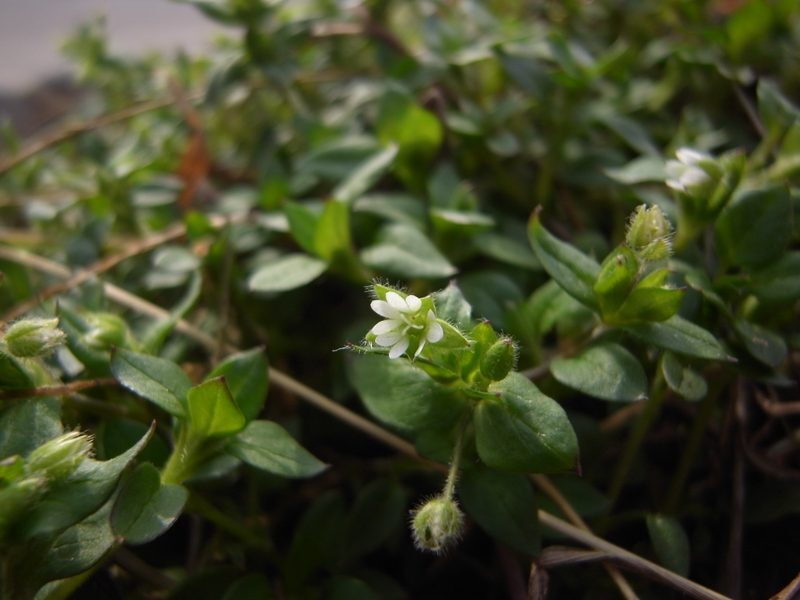
Photo: Dalgial · CC BY-SA 3.0 · Source
Chickweed
Stellaria media
Family: Caryophyllaceae | Parts Used: Aerial parts
Chickweed is a nutrient-rich cooling herb with soothing and cooling effects on the skin and mucous membranes. Valued in Western and European herbalism, it works both internally and externally. Key constituents include vitamin C, calcium, potassium, phosphorus, iron, zinc, coumarins, and saponins. It supports the integumentary system topically for rashes and eczema, and the urinary and digestive systems when taken internally.
Traditional Uses
- Soothes skin disorders including rashes, eczema, and diaper rash (external application)
- Supports kidney health
- Supports liver health
- Traditionally used for eye irritations (as an infused oil or compress)
- Gentle detoxification
- Promotes tissue repair and wound healing
- Nutritive herb, rich in vitamins and minerals
Properties
- Demulcent
- Emollient
- Expectorant
- Antitussive
- Antipyretic
- Alterative
- Vulnerary
Preparations & Dosage
- Infusion: 1-2 tsp dried herb steeped in 1 cup boiling water, up to 3 times daily; or 1 oz dried herb per pint of water.
- Tincture: 15-30 drops up to 3 times daily.
- External: Infused oil or poultice applied to skin conditions, rashes, and eye irritations.
TCM Profile: Sweet, mildly bitter, cool.
Cautions
- Generally considered safe in moderate amounts. Comprehensive toxicity evaluation has not been completed.
- May cause allergic reactions in sensitive individuals.
- Avoid during pregnancy due to insufficient safety data.
- Contains saponins; large doses may cause digestive upset.
Habitat & Growing Conditions
Native to Europe, now found worldwide. Grows in US zones 4-11. Prefers cool, moist, shaded areas and is often found as a low-growing ground cover. It commonly appears in gardens and disturbed soils, especially in cooler seasons.
Related Articles
Sources & Research
The Way of Herbs, Michael Tierra, p. 118
Medicinal Herbs: A Beginner's Guide, Rosemary Gladstar, p. 121
Published Research:
Stellaria media (L.) Vill. - A plant with immense traditional potentials: phytochemistry and pharmacology | Heliyon (2020)
Stellaria media tea protects against diabetes-induced cardiac dysfunction in rats without affecting glucose tolerance | Journal of Traditional and Complementary Medicine (2022)
Phytochemical analysis and gastroprotective effect of Stellaria media (L.) Vill. methanolic extract on piroxicam-induced gastric ulcers | Pakistan Journal of Pharmaceutical Sciences (2023)
Effect of Stellaria media Tea on Lipid Profile in Rats | Evidence-Based Complementary and Alternative Medicine (2020)
These statements have not been evaluated by the Food and Drug Administration. This information is not intended to diagnose, treat, cure, or prevent any disease. If you are under the care of a health care provider or taking prescription medication, check with your provider before using any herbal supplement.