

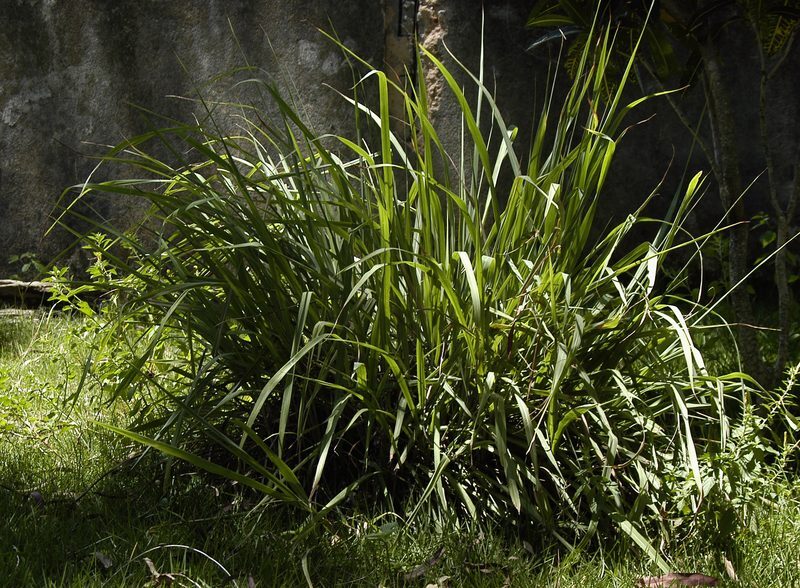
Photo: CostaPPPR · CC BY-SA 3.0 · Source
Lemon Grass
Cymbopogon citratus
Family: Gramineae | Parts Used: Leaves
Lemon Grass is a citrus-scented herb with a fresh, bright aroma, used traditionally for fevers, colds, indigestion, and respiratory complaints. Its essential oil contains citral, geraniol, and related compounds that contribute to its febrifuge, carminative, and expectorant actions. In Caribbean and Ayurvedic traditions it is also used in spiritual baths and cleansing preparations, and the essential oil is a well-known natural insect repellent.
Traditional Uses
- Colds, flu, and fevers
- Indigestion and digestive support
- Respiratory support; used as an expectorant
- Gentle detoxification and blood purification
- Natural insect repellent (essential oil)
Properties
Preparations & Dosage
- Infusion: 1-2 tsp herb in 1 cup boiling water, or 1 oz dried herb per pint of water; up to 3 cups daily.
- Essential oil (topical): Always dilute in a carrier oil before applying to skin. Used for insect repellent and in spiritual baths and floor washes.
Spiritual & Folk Uses
In Caribbean folk practice, lemon grass is traditionally used in spiritual baths and floor washes to clear negative energy. The essential oil is also used for warding off insects, a practical application that blends with its cleansing associations across multiple traditions.
Bonnie's Notes
I reach for lemon grass most often in spiritual baths and cleansing preparations. The essential oil is one I keep on hand specifically for insect repellent, especially through the warmer months.
Cautions
- Generally safe as a culinary herb and tea.
- May lower blood sugar; use with caution alongside diabetes medications.
- Not recommended in medicinal doses during pregnancy, as it may stimulate menstruation.
- May cause allergic reactions in sensitive individuals.
- Essential oil must be diluted before topical use to avoid skin irritation.
Habitat & Growing Conditions
Native to South India and Sri Lanka; grows well in tropical climates and US zone 10. Prefers dry soil and full sun.
Related Articles
Sources & Research
Today's Herbal Health, Louise Tenney, p. 82
Herbs: An Illustrated Encyclopedia, Kathi Keville, p. 77
Published Research:
Effectiveness of Lemon Verbena (Cymbopogon citratus) in Oral Candidiasis: A Systematic Review | Clinical, Cosmetic and Investigational Dentistry (2024)
Ethnopharmacology, chemical composition and functions of Cymbopogon citratus | Chinese Herbal Medicines (2024)
Ethnopharmacology, phytochemistry, and biological activities of Cymbopogon citratus (DC.) Stapf extracts | Chinese Journal of Natural Medicines (2015)
Use of Cymbopogon citratus essential oil in food preservation: Recent advances and future perspectives | Critical Reviews in Food Science and Nutrition (2017)
These statements have not been evaluated by the Food and Drug Administration. This information is not intended to diagnose, treat, cure, or prevent any disease. If you are under the care of a health care provider or taking prescription medication, check with your provider before using any herbal supplement.