

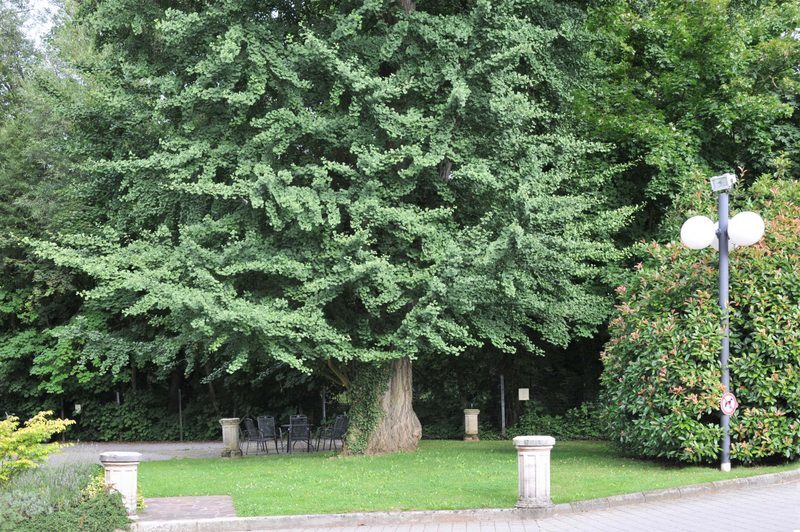
Photo: Cayambe · CC BY-SA 3.0 · Source
Ginkgo Biloba
Ginkgo biloba
Family: Ginkgoaceae | Parts Used: Leaves
Ginkgo Biloba is one of the oldest living tree species on earth, with a fossil record stretching back 270 million years. The fan-shaped leaves contain flavonoids and nonflavonoid terpenes, including bilobalide and ginkgolides, that support circulation to the brain and offer neuroprotective effects. Traditionally used in TCM and Japanese herbalism for brain function, memory, and energy, it is one of the most studied herbs for cognitive support and circulation to the brain.
Traditional Uses
- Supports brain function and memory
- Stimulates circulation, particularly blood flow to the brain
- Traditionally used for increased energy and mental alertness
- Used in TCM as a bitter, astringent, neutral herb for brain and lung conditions
- Neuroprotective support, particularly studied in relation to cognitive decline
Properties
- Vasoactive (improves circulation to the brain)
- Neuroprotective
- Antioxidant
- Stimulant
Key Constituents
- Flavonoids
- Kaempferol
- Quercetin
- Isorhamnetine
- Bilobalide
- Ginkgolides
- Tannins
- Lignans
- Essential Oil
- Vitamins A, B, and C
Preparations & Dosage
- Tincture: 15 drops three times daily for a minimum of 3 months. Consistent long-term use is key for measurable results.
- Infusion: 1 cup daily from the dried leaves.
- Note: Only the leaves are used medicinally. The nuts are mildly toxic raw and should be roasted before eating.
TCM Profile: Bitter, astringent, neutral.
Cautions
- May increase bleeding risk. Discontinue at least 2 weeks before surgery.
- Do not use with blood thinners (warfarin, aspirin) or antiplatelet medications without medical supervision.
- May interact with anticonvulsants, antidepressants (SSRIs, MAOIs), and diabetes medications.
- Uncooked ginkgo seeds are toxic and may cause seizures. Only use prepared leaf products.
- May cause headache, dizziness, GI upset, or allergic skin reactions.
- Not recommended during pregnancy or breastfeeding.
Habitat & Growing Conditions
Ancient tree native to Southeast and South Central Asia, now a common ornamental throughout North America and Europe. Prefers moist, well-drained sandy soil in full sun to partial shade. Hardy to zone 5. The leaf and fruit have also been used to control aphids and grubs in the garden.
Related Articles
Sources & Research
The Way of Herbs, Michael Tierra
Herbs: An Illustrated Encyclopedia, Kathi Keville
Published Research:
Neuroprotective and Antioxidant Effect of Ginkgo biloba Extract Against AD and Other Neurological Disorders | Neurotherapeutics (2019)
Ginkgo biloba: indications, mechanisms, and safety | The Psychiatric Clinics of North America (2013)
Efficacy and adverse effects of ginkgo biloba for cognitive impairment and dementia: a systematic review and meta-analysis | Journal of Alzheimer's Disease (2015)
Ginkgo biloba: A Leaf of Hope in the Fight Against Alzheimer's Dementia: Clinical Trial Systematic Review | Antioxidants (2024)
These statements have not been evaluated by the Food and Drug Administration. This information is not intended to diagnose, treat, cure, or prevent any disease. If you are under the care of a health care provider or taking prescription medication, check with your provider before using any herbal supplement.