

Discover Echinacea - Immune System Support
Posted by Bonnie Landsee on Nov 9th 2024
Discover Echinacea: Immune System Support
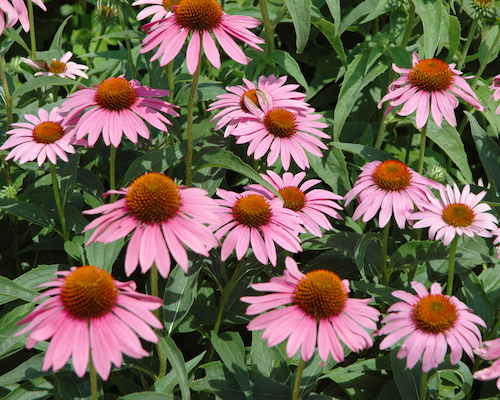
Echinacea, commonly known as the purple coneflower, is a perennial plant native to North America that has been used for centuries in traditional medicine. Its vibrant flowers and broad leaves are not only a visual delight in gardens but also packed with health benefits. Among its many properties, echinacea is most known for its ability to bolster the immune system. The plant contains a variety of active compounds, such as alkamides, polysaccharides, and glycoproteins, which work synergistically to enhance immune function.
Research indicates that echinacea stimulates the production of white blood cells, crucial defenders against pathogens. These cells play a pivotal role in identifying and neutralizing viruses and bacteria that invade the body. Echinacea's immune-boosting effects are particularly significant during cold and flu season, as studies have shown that it can reduce the likelihood of developing respiratory infections. By activating and enhancing the immune response, this herb can be a valuable ally in maintaining overall health.
Echinacea also possesses anti-inflammatory properties that can help alleviate symptoms of infection and promote healing. By reducing inflammation, it helps the body respond more effectively to invaders, minimizing discomfort associated with colds and flus. This dual action of boosting immune function while reducing inflammation makes echinacea a powerful herb in the fight against seasonal ailments.
How to Use Echinacea
Incorporating echinacea into your routine can be simple and effective. Echinacea is available in various forms, including teas, capsules, tinctures, and extracts.
Echinacea tea can be a soothing option, especially during colder months when warm beverages are comforting. Simply steep dried echinacea leaves or flowers in hot water for 10 to 15 minutes, and enjoy with a touch of honey or lemon for flavor.
For those who prefer a more concentrated dosage, echinacea capsules or tablets are widely available. These supplements often contain standardized extracts, ensuring a consistent amount of active ingredients. It's advisable to follow the manufacturer's instructions regarding dosage, as it can vary depending on the brand and formulation. Capsules are a convenient option for individuals on the go.
Tinctures, which are liquid extracts made by soaking echinacea in alcohol or vinegar, are another effective method to harness the herb's benefits. They are easily absorbed by the body and can be added to water or taken directly. When using tinctures, pay attention to the recommended dosage, as these extracts can be potent.
Cautions and Considerations
While echinacea offers numerous health benefits, it's essential to approach its use with caution. Individuals with allergies to plants in the daisy family should avoid echinacea, as it may trigger allergic reactions. Those taking immunosuppressive medications should consult a healthcare professional before using echinacea, as it may interfere with these treatments.
Due to its recent popularity, echinacea is starting to become at-risk, so use caution if wildcrafting not to take too much from a stand. Order it from a reputable source, or try growing your own. Echinacea is easy to grow and is a hardy perennial, so consider adding it to your garden.
This article is for educational purposes only. Please check with your health care provider before taking any herbal supplement.
Shop Echinacea & Immune Support Products
- Immune Boost: A tincture featuring echinacea and other immune-supporting herbs in one formula
- Breathe Serene Organic Herbal Tea Blend: Organic herbs to support respiratory wellness alongside your echinacea routine
- Tea Tree Essential Oil: Another well-studied antimicrobial to keep in your herbal medicine cabinet
This article is part of our Immune Support & Seasonal Wellness Guide. Explore the full guide for more tools, herbs, and practices.
Explore the Materia Medica:
- Echinacea: Full herb profile with traditional uses, dosing applications, properties, and key constituents.
Read Next