


5 Herbs for Better Sleep
Posted by Bonnie Landsee on Jun 9th 2026
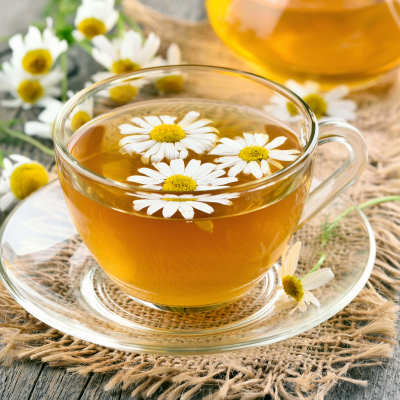
Chamomile, passionflower, valerian, lemon balm, and lavender are five herbs with a long history of traditional use for promoting relaxation and supporting restful sleep. They can be enjoyed as teas, tinctures, capsules, or incorporated into an evening routine to help you unwind before bed.
If you've ever found yourself staring at the ceiling at 2 a.m., you're not alone. Sometimes the problem is difficulty falling asleep. Other times it's staying asleep or feeling like you're running on empty no matter how many hours you've spent in bed.
While herbs aren't a substitute for addressing underlying health concerns, they can be a real help when you're trying to create a more relaxing evening routine. Here are five of my favorite herbs for sleep and how to use them.
Chamomile: The Classic Bedtime Herb
Chamomile is often the first herb people think of when it comes to sleep, and for good reason. It's easy to find in any grocery store and is widely used for relaxation. The flavonoid apigenin, found in chamomile flowers, binds to benzodiazepine receptors in the brain, which is thought to contribute to its calming effects.
This gentle herb has been used for centuries as a relaxing evening tea. Its mild flavor and calming nature make it a great choice for beginners who are just starting to explore herbal wellness.
What I like about chamomile is that it doesn't feel overpowering. It's gentle enough for many people to enjoy regularly and pairs well with other relaxing herbs.
How to Use Chamomile
Tea is my favorite way to use chamomile.
To prepare:
- 1 tablespoon dried chamomile flowers
- 8 ounces hot water
- Steep for 10-15 minutes
Drink about 30 minutes before bedtime.
Chamomile also blends beautifully with lemon balm, lavender, and passionflower.
Note of caution: Individuals with allergies to plants in the daisy family (Asteraceae) should use chamomile cautiously.
Passionflower: For a Busy Mind
If you have ever tried falling asleep, but your mind hasn't got the memo, then passionflower is the herb I turn to.
Historically, passionflower has been used to promote relaxation and calm nervous tension. The flavonoids chrysin and vitexin are among the compounds thought to be responsible for its calming properties. Many people find it especially helpful during stressful periods of life when the mind wants to replay the events of the day long after the lights go out.
Passionflower is a beautiful climbing vine that produces delicious fruit, but it's the aerial parts of the plant that are commonly used in herbal preparations.
How to Use Passionflower
Passionflower can be enjoyed as:
- Tea
- Tincture
- Capsule
For tea:
- 1 tablespoon dried herb
- 8 ounces hot water
- Steep 10-15 minutes
It can be combined with lemon balm and chamomile for a relaxing evening blend.
Note of caution: If you are taking sedatives or other medications, consult your healthcare provider before using passionflower regularly.
Valerian: The Traditional Sleep Root
Valerian has one of the longest histories of use for sleep support among herbalists. Valerenic acid, one of its key compounds, is traditionally believed to interact with GABA receptors in the nervous system.
Unlike chamomile, valerian has a very distinctive aroma. Some people don't mind it, while others find it a bit strong. Personally, I usually recommend valerian in a tincture or capsule if someone doesn't enjoy the flavor, mostly because valerian has a strong odor.
Valerian root has been traditionally used to promote relaxation and support restful sleep.
How to Use Valerian
Valerian is commonly taken as:
- Tincture
- Capsule
- Tea
For tea:
- 1 teaspoon dried valerian root
- 8 ounces hot water
Note of caution: Valerian may cause drowsiness. Do not drive or operate machinery after taking valerian. Consult your healthcare provider if taking sedatives or other medications.
Lemon Balm: Gentle and Relaxing
Lemon balm is one of my favorite herbs, period.
I grow it in my garden every year, and by midsummer I usually have more than I know what to do with. Its pleasant lemony flavor makes it one of the easiest herbs to enjoy as a tea.
Traditionally, lemon balm has been used to calm the nervous system and promote relaxation. Rosmarinic acid, one of its primary compounds, has been studied for its calming effects. It's one of those herbs that helps you slow down after a busy day.
How to Use Lemon Balm
Lemon balm can be enjoyed as:
- Tea
- Tincture
- Fresh herb infusion
- Cold brew
For tea:
- 1 tablespoon dried lemon balm
- 8 ounces hot water
- Steep 10-15 minutes
Note of caution: Lemon balm may interact with thyroid medications and sedatives.
Lavender: More Than Just a Pleasant Fragrance
Most people think of lavender as a fragrant flower, but it has a long history of traditional use for relaxation as well. Linalool, the primary compound in lavender essential oil, is thought to contribute to its calming aroma.
One of my favorite ways to use lavender isn't actually in tea. I enjoy adding it to bath blends, pillow sachets, and aromatherapy preparations.
The aroma alone can help create an environment that encourages relaxation and rest.
How to Use Lavender
Lavender can be used in:
- Tea blends
- Bath blends
- Aromatherapy
- Pillow sachets
For tea:
- 1 teaspoon dried lavender buds
- 8 ounces hot water
- Steep 5-10 minutes
Note of caution: Use culinary-grade lavender intended for consumption.
A little lavender goes a long way.
If you want to use the essential oil, you can add 20 drops of essential oil to 2 ounces of water in a spray bottle. Add 1/2 tsp of witch hazel extract. Shake and spray. It can be used as a room spray, or mist on linens to create a relaxing atmosphere before bedtime.
How I Create an Evening Herbal Routine
One thing I often tell people is that herbs work best when they are part of a larger routine.
Rather than waiting until you can't sleep, consider creating a relaxing evening ritual.
Some ideas include:
- Turning off screens an hour before bed
- Drinking a cup of herbal tea
- Taking a warm bath
- Reading a book
- Practicing prayer or meditation
- Keeping lights low in the evening
Small habits can make a big difference over time.
Try This: Simple Sleep Tea Blend
If you're looking for a place to start, try this simple bedtime tea.
Ingredients:
- 1 tablespoon chamomile
- 1 tablespoon lemon balm
- 1 teaspoon lavender
Combine the herbs and store in a glass jar.
To prepare:
- Use 1 tablespoon of the blend per 8 ounces of hot water.
- Steep for 10-15 minutes.
- Drink about 30 minutes before bedtime.
Sleep Support Products
If you're looking for ready-made herbal support, you may enjoy:
Sleep Tonic
My Sleep Tonic features herbs traditionally used to promote relaxation and support restful sleep.
Head Ease Tea
A calming blend featuring lemon balm, chamomile, skullcap, and other traditional herbs.
Personalized Consultations
Sleep challenges can have many different causes. If you're looking for a personalized herbal wellness plan, consider scheduling a consultation.
Keep Reading
What Are Adaptogens? A Beginner's Guide to Stress-Fighting Herbs
Herbal Allies for Mental Clarity and Concentration
Browse all herbal wellness articles
Disclaimer
The herbal information on this page is for educational purposes only and has not been evaluated by the FDA. This content is not intended to diagnose, treat, cure, or prevent any disease. Always consult with a qualified healthcare provider before using any herb, especially if you are pregnant, nursing, taking medication, or have a health condition.